

The Unexplained Files, Post 03
Six hundred years old. More than a century of modern decoding attempts. Generations of cryptographers, linguists, medievalists and, lately, computers trained to notice patterns that human eyes miss.
Still, nobody can read it.
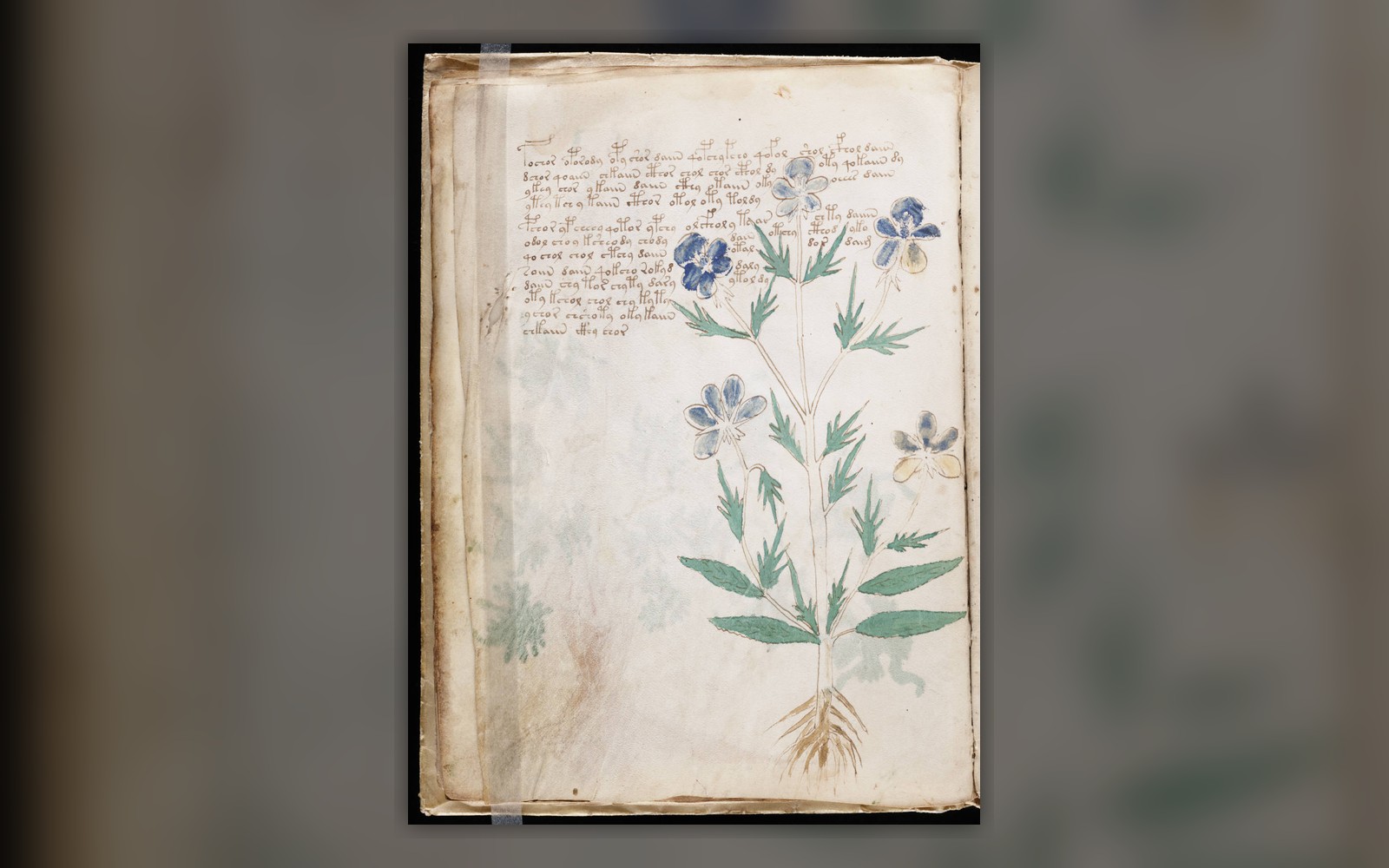
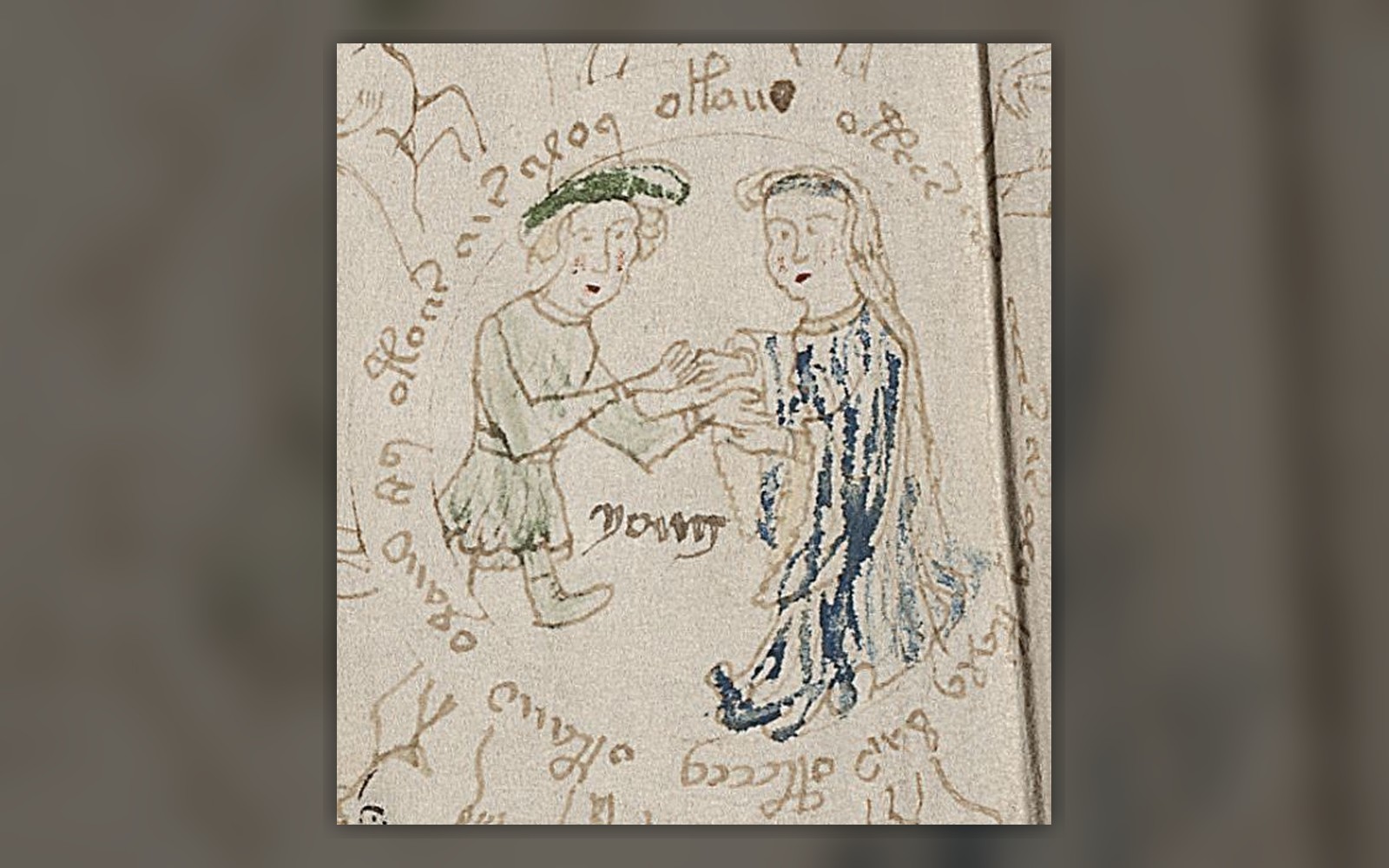
The Voynich Manuscript looks almost welcoming at first. Its pages are filled with neat lines of looping script, painted plants, circular star charts, tiny figures bathing in green pools and what appear to be recipes marked by little stars. It has the confidence of a book that knows exactly what it is saying. The problem is that we do not.
No other surviving document uses its script. No title page names an author. There is no bilingual inscription to act as a Rosetta Stone, no trusted translation in the margin and no agreed sentence that gives a decoder somewhere firm to begin. The book sits in Yale University’s Beinecke Rare Book and Manuscript Library under the less romantic name MS 408, quietly making very intelligent people look slightly foolish.
“The manuscript has the confidence of a book that knows exactly what it is saying. The problem is that we do not.”
.jpg)
What we actually know
The mystery becomes more interesting when we separate what is known from what has merely been repeated often enough to sound known.
The surviving manuscript contains 102 folios, or 204 leaves and faces, with evidence that fourteen folios are missing. Some pages fold out into larger diagrams. Its sections appear to concern plants, astronomy or astrology, bathing or medicine, pharmaceutical materials and short entries that may be recipes. “Appear” is doing important work in that sentence. A picture of a jar looks like a jar to us, but without the words we cannot be certain what job it was meant to do.
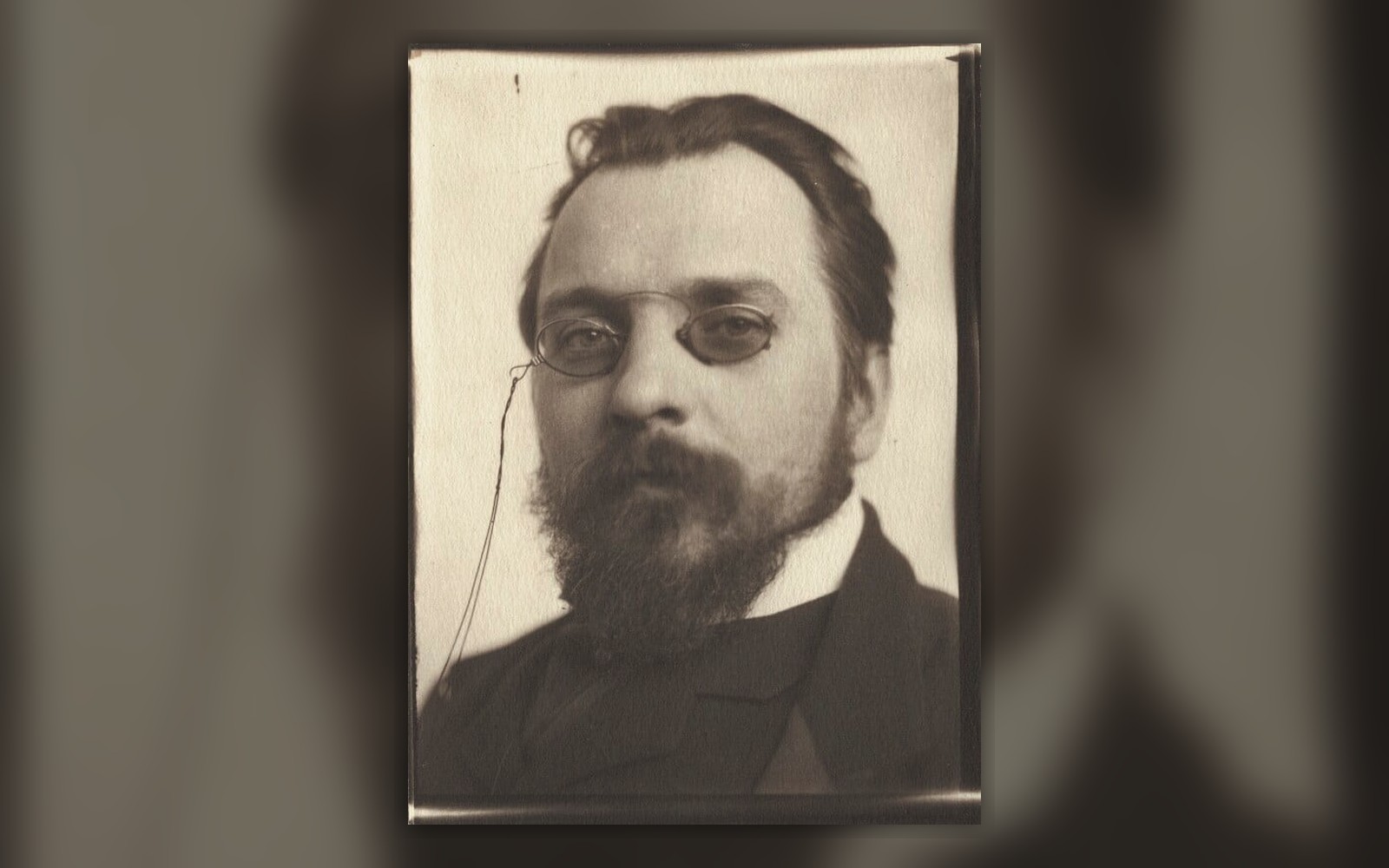
Radiocarbon tests on parchment from four different leaves produced a combined date range of 1404 to 1438 at 95.4 per cent probability. That dates the animal skin, not the exact day somebody wrote on it, but it places the physical object firmly in the early fifteenth century. Analysis of its inks and materials also fits a genuinely old manuscript. The attractive theory that Wilfrid Voynich created a modern fake after buying it in 1912 is therefore in very serious trouble.
Its documented trail reaches back much further than Voynich. The book passed through the hands of the Prague alchemist Georgius Barschius and Johannes Marcus Marci, who sent it to the Jesuit scholar Athanasius Kircher in 1666. A story attached it to Holy Roman Emperor Rudolf II and to the English friar Roger Bacon, although Yale warns that the Bacon attribution is speculation. Voynich bought the volume from the Jesuit College at Frascati near Rome. It eventually reached the Beinecke Library in 1969.
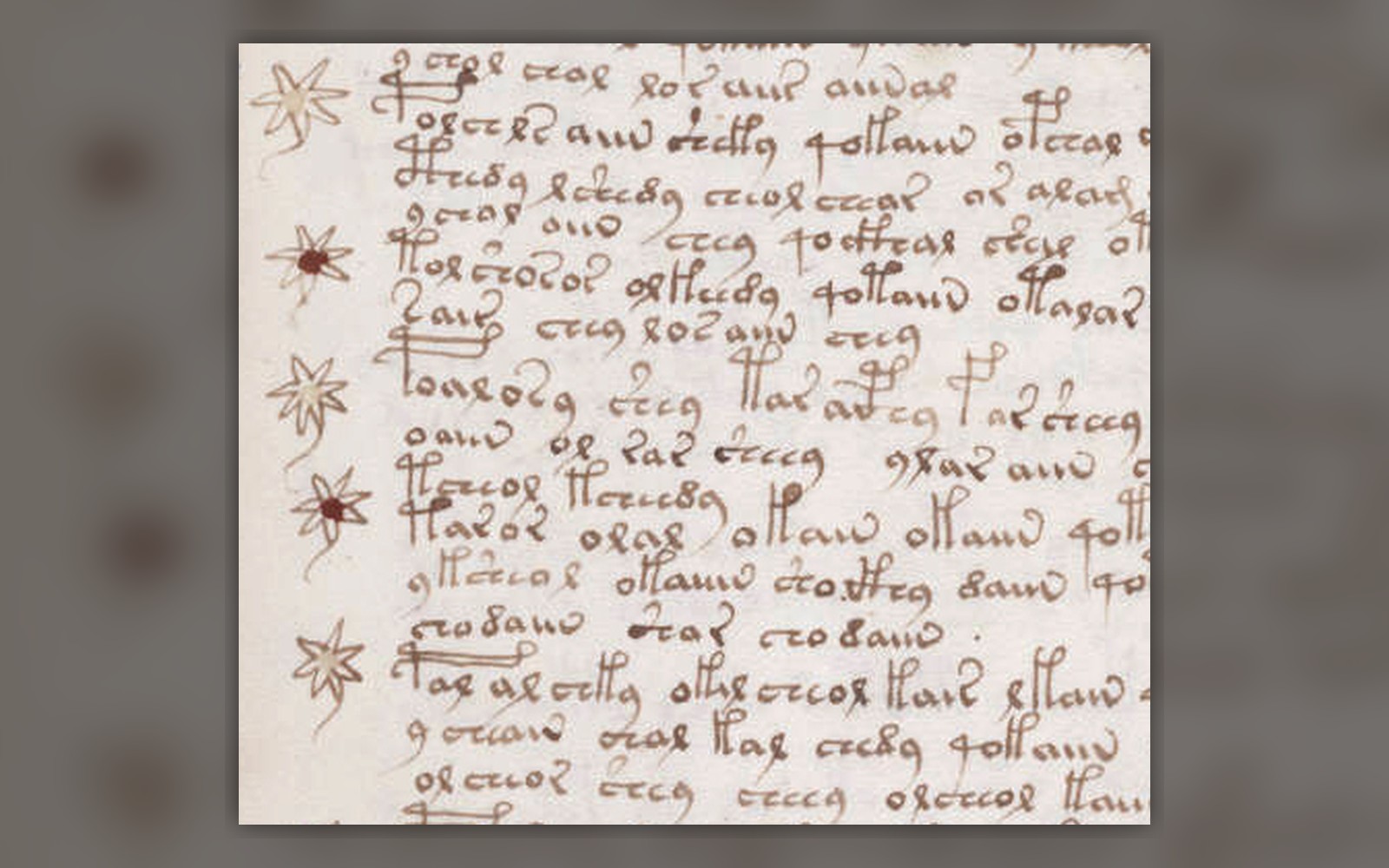
Even the popular image of one lonely genius producing it in candlelight may be wrong. Palaeographer Lisa Fagin Davis found evidence for five scribal hands. Five people may have collaborated on a book that none of them signed and that none of us can read. Anybody who has tried to get five people in Lagos to agree on a meeting time should pause and respect the organisational achievement alone.

A language that behaves, until it does not
Once scholars turned the text into machine-readable symbols, the manuscript revealed a peculiar personality. Voynichese, as the writing is commonly called, is not a random spray of marks. Certain glyphs prefer certain positions inside a word. Some words recur. Vocabulary varies between sections, and pages with similar illustrations also tend to share groups of words. Researchers have identified two broad varieties, conventionally called Voynich A and Voynich B, though nobody knows whether they are different languages, dialects, scribal habits or encoding systems.
This is why the easy answer, “It is just gibberish”, refuses to stay easy.
A 2013 information-theory study found that words cluster across the manuscript in ways that correspond to its illustrated sections. The herbal pages and pharmaceutical pages, for example, share textual affinities even though they are separated in the book. Claire Bowern and Luke Lindemann’s linguistic review argues that structure at page and paragraph level is more consistent with encoded natural language than casual nonsense. Their later computational work found something stranger: character placement within words is unusually predictable compared with hundreds of known languages and historical texts.
That leaves us with an awkward object. At the large scale it behaves like organised text. At the small scale it behaves unlike the languages used for comparison. It may be a natural language transformed by an unfamiliar system. It may be a constructed language. It may use abbreviations so aggressively that our modern transcriptions flatten distinctions the original readers understood. Or it may be carefully manufactured pseudo-text with more structure than we expect nonsense to have.
Every answer opens another door and, behind it, another corridor.
.jpg)
The plants that refuse to introduce themselves
The illustrations ought to help. Instead, they join the conspiracy.
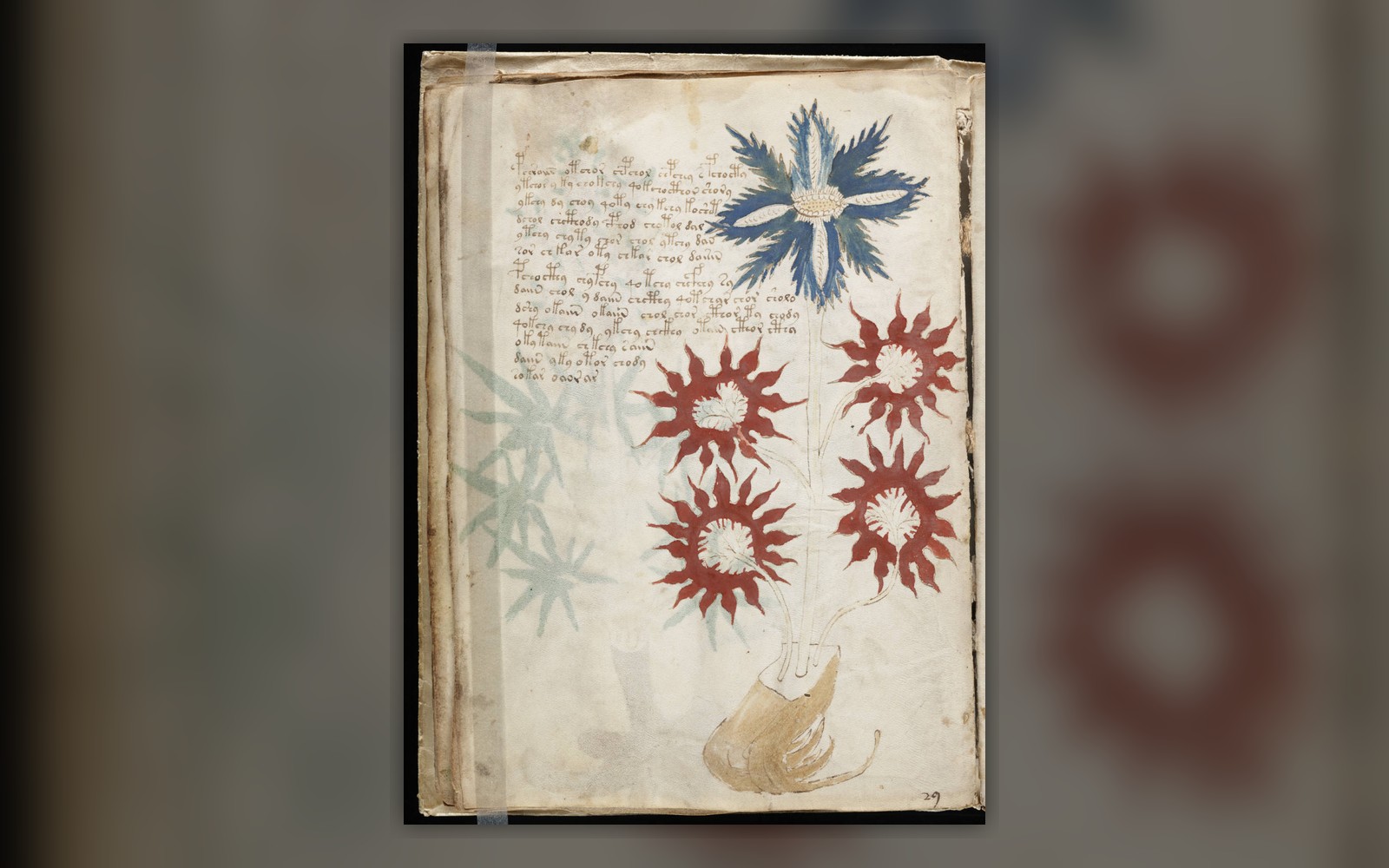
The longest section contains large botanical pictures, but most have resisted secure identification. That does not mean the artist drew plants that never existed. Medieval herbals were not modern field guides. A copyist might exaggerate the useful part of a plant, combine features, inherit an earlier artist’s mistake or draw from description rather than from a specimen on the table. A root can become a dragon after enough generations of copying. Anyone who has watched a WhatsApp message survive six family groups knows what transmission does to detail.
The astronomical pages are equally familiar and uncooperative. We recognise suns, stars, circles and signs of the zodiac. Some zodiac pages carry month names in an Occitan form of French, probably added later. Elsewhere, small naked women stand in tubs or flow through networks of tubes. Calling this section “balneological” gives it a respectable scholarly coat, but the label does not tell us whether we are looking at bathing, anatomy, medicine, cosmology or a symbolic system that no longer has living readers.
Art history narrows the neighbourhood without finding the address. The parchment points to the early fifteenth century. The style and materials belong in a European manuscript context. Familiar subjects suggest herbal, medical and astrological traditions. Yet no identified model explains the whole book, and the pictures cannot translate the writing by themselves.
Could it be a magnificent fraud?
Computer scientist Gordon Rugg has shown how a table of word fragments and a movable grille could generate meaningless text with several Voynich-like statistical features. In later work with Gavin Taylor, he reproduced patterns such as word-frequency and word-length distributions. The point was not that this proved the manuscript a hoax. It showed that language-like statistics do not, by themselves, prove language.
That distinction matters. Give a machine enough rules and it can produce order without meaning. Give a human enough freedom to interpret that order and meaning will soon arrive, usually wearing a confident expression.
The hoax case still carries a burden. The manuscript was expensive to make. Its pages contain sustained differences by section, scribe and textual variety. If it is meaningless, its makers produced a remarkably organised kind of meaninglessness. But medieval Europe had alchemy, courtly patronage, secret knowledge and buyers willing to pay for rare wonders. Fraud is not a modern invention. Neither is intellectual theatre.
I find the hoax theory possible, but emotionally unsatisfying. That is not evidence against it. In fact, our dissatisfaction may be the strongest thing it has going for it. We want the book to contain lost medicine, forbidden astronomy or a voice from an unknown community. “Five clever people made an elaborate object to impress a wealthy buyer” feels too ordinary for such extraordinary pages. Mysteries know how to exploit that hunger.

Then the machines arrived
It is tempting to believe artificial intelligence should end this. Feed the model every known language, every cipher, every medieval herbal and every page of MS 408. Ask it to find what generations of people missed. Wait for the translation.
The difficulty is not a shortage of pattern recognition. Computers have already helped scholars measure entropy, cluster vocabulary, compare sections and test candidate ciphers. They can tell us that a pattern exists. They cannot make that pattern mean “juniper”, “pregnancy” or “take two spoonfuls before sunrise” without an independent anchor.
That anchor is what the Voynich Manuscript withholds. A model can rank possibilities, but a proposed reading must work consistently across the book, respect the grammar it claims to discover, fit the manuscript’s date and illustrations, and predict passages it was not designed around. Most dramatic “decodings” succeed on a handful of chosen words and then dissolve when asked to read an ordinary page from top to bottom.
AI also introduces a more modern danger. It is built to continue patterns convincingly. When the evidence is thin, a fluent system can supply bridges that are not there. The result may sound like a translation because it has the shape of one. The manuscript is almost a perfect trap for this talent: thousands of unknown tokens, suggestive pictures and no living speaker who can say, “My friend, that is not what I wrote.”
In February 2025, Yale linguist Claire Bowern put the problem neatly. Any theory rests on so many unknowns that it is easy to get lost in speculation. Yet she also stressed that the book still yields knowledge. Linguistics can expose word patterns without knowing the words, while palaeography can identify the people who wrote them. Failure to translate is not failure to learn.

The discipline of not knowing
This may be the manuscript’s real gift to our impatient age.
We live among systems that answer before they understand. Search engines give summaries. Models produce explanations. Social media rewards the first confident theory, not the fifth careful correction. Uncertainty now looks like weakness, although it is often the most honest result serious inquiry can produce.
The Voynich Manuscript has survived emperors, alchemists, collectors, wartime codebreakers, statistical analysis and the first years of generative AI without surrendering a verified sentence. That does not make it supernatural. It makes it a hard problem with missing context.
Perhaps somebody will crack it. A new material test may locate its workshop. A neglected European archive may contain a related alphabet. A better transcription may reveal distinctions we currently treat as the same glyph. A computer may connect patterns no person could hold in mind at once. If that day comes, the solution will need more than a persuasive demonstration. Other scholars must be able to reproduce it, read new passages with it and watch the whole manuscript become less mysterious in a consistent way.
Until then, the correct answer remains the one our cleverest tools find hardest to give: we do not know.
I thought I would find that frustrating. Instead, I find it oddly reassuring. Here is a book made by human hands, full of apparent intention, sitting in a world that can translate speech in seconds and generate an essay before a kettle boils. It reminds us that intelligence is not the same as omniscience, and pattern is not the same as meaning.
If an AI eventually reads the Voynich Manuscript, the book will lose one mystery and gain a history. We may learn that it contains medicine, devotion, recipes, private jokes or page after page of beautifully organised nonsense. Whatever the answer, I hope we keep one lesson from the long wait: a confident voice is not proof, and “I cannot yet read this” is sometimes the beginning of knowledge rather than its defeat.
What do you think: lost language, elaborate cipher or the most patient hoax in history? Drop your take in the comments.
Sources and further reading
- Beinecke Rare Book & Manuscript Library, “The Beinecke Cipher (Voynich) Manuscript”.
- Yale News, “Deciphering a mysterious manuscript”, 21 February 2025.
- Claire Bowern and Luke Lindemann, “The Linguistics of the Voynich Manuscript”, Annual Review of Linguistics.
- Luke Lindemann and Claire Bowern, “Character Entropy in Modern and Historical Texts”.
- Sravana Reddy and Kevin Knight, “What We Know About the Voynich Manuscript”, Association for Computational Linguistics, 2011.
- Greg Hodgins, radiocarbon dating results for four Voynich Manuscript parchment leaves, NSF-Arizona AMS Laboratory, 2009.
- Lisa Fagin Davis, “How Many Glyphs and How Many Scribes? Digital Paleography and the Voynich Manuscript”, Manuscript Studies, 2020.
- Gordon Rugg and Gavin Taylor, “Hoaxing statistical features of the Voynich Manuscript”, Cryptologia, 2017.
- Marcelo A. Montemurro and Damián H. Zanette, “Keywords and Co-Occurrence Patterns in the Voynich Manuscript”, PLOS ONE, 2013.
Discover more from Akin Akingbogun
Subscribe to get the latest posts sent to your email.